
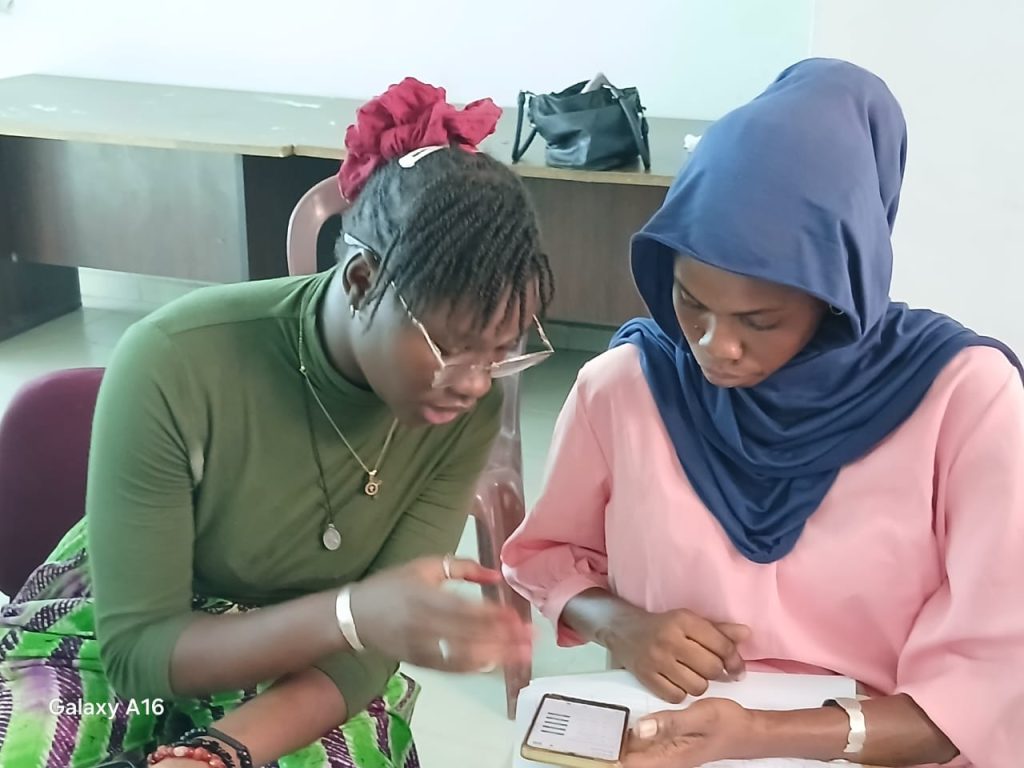
In Senegal, public debates on governance and the management of national resources have intensified in recent years. Between growing citizen expectations, rising demands for transparency, regular revelations from oversight institutions, and the emergence of a more connected younger generation, access to budget information has become a central national issue. While women and young people make up the demographic majority, their understanding of how public finance works remains a major challenge for governance in Senegal. BudgIT Senegal conducted a survey aimed at assessing their level of access, understanding, and engagement regarding public finances.
The responses from the survey reveal a clear, yet uneven interest in the national budget. A large majority, about 73%, say they search for budget information only occasionally or rarely, while 27% engage with it regularly. This imbalance is partly explained by how information circulates: more than 90% of respondents say they rely primarily on social media, a fast but often unreliable and superficial channel for financial information. A few respondents mentioned government websites, newspapers, or community meetings, but these sources remain marginal.
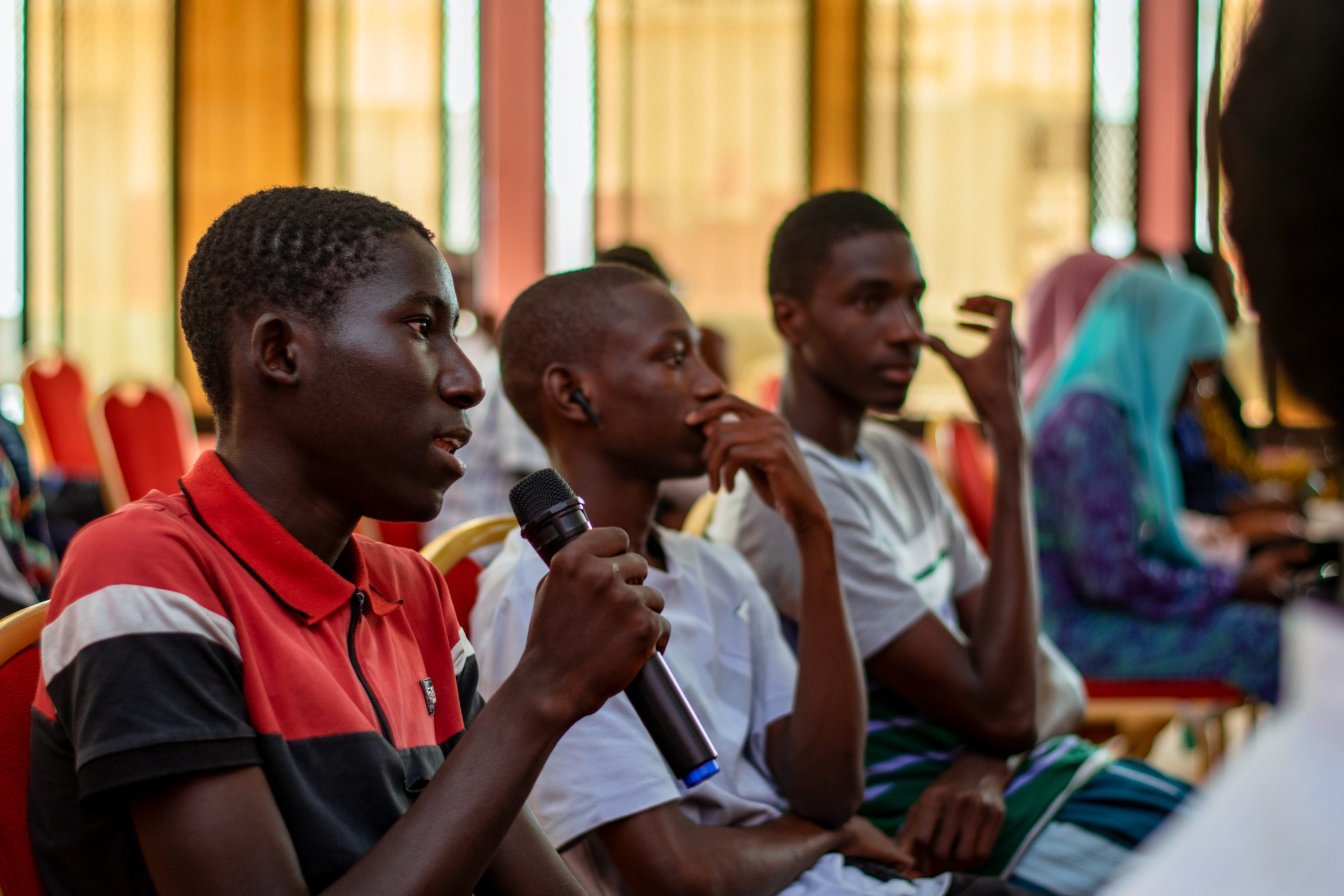
Several participants also highlighted the lack of clarity in the information available. One respondent noted, “No one explains how this affects us personally,” pointing out that published data is often too technical to be accessible to the general public.
These difficulties in accessing reliable information unfold in a socio-economic context marked by major budgetary tensions. The issue of “hidden debt,” revealed in recent months, has deeply affected public opinion. Once this unrecorded debt is included, the national debt level reaches nearly 116% of GDP, a threshold that raises serious concerns about the sustainability of the State’s future commitments. At the same time, the budget deficit, estimated at around 11%, underscores a challenging financial situation, reinforcing the perception of weak public resource management. These developments, regularly reported by oversight bodies, fuel mistrust: more than 80% of participants say they do not fully trust official public finance data.
This climate is summarized by a recurring testimony: “It feels like everything is decided without us,” expressing a sense of exclusion and distance from public decision-making processes.

Beyond these structural obstacles, the survey also highlights the persistence of widespread misconceptions. Many respondents believe that the budget is strictly a government matter with no direct link to citizens. Others immediately associate public budgeting with corruption, reflecting a mistrust fueled by repeated financial scandals. These misconceptions contribute to a general lack of interest in budget analysis, even though many acknowledge that such perceptions are often the result of limited information or insufficient public communication. One participant summed it up by saying: “People talk about the budget, but no one tells us what it actually changes in our daily lives.”
Despite these challenges, the willingness to engage is very much present. A strong majority of respondents stated that easy access to budget information would motivate them to speak up and demand accountability. More than 85% believe that public transparency strengthens citizen participation and improves the quality of public services. Some have already taken action, for instance, by participating in discussions, attending community meetings, or asking questions in their circles. Others have not yet taken this step but clearly express that they would be more involved if the budget were explained in simple language, supported by concrete examples, and presented in local languages such as Wolof, Pulaar, and Serer.
The budget themes that most interest respondents reflect their daily concerns: youth employment, education, maternal health, social protection, poverty reduction, and support for entrepreneurship. These priorities show that, for women and young people, the budget is not seen as a technical document but as a tool that directly shapes economic and social life. Several participants emphasized their desire to better understand budget decisions to defend their own priorities; as one respondent put it: “If we understand better, we can demand better accountability.”
Amineta Baye Laye Diop
Research Officer and project Manager at BudgIT Senegal