
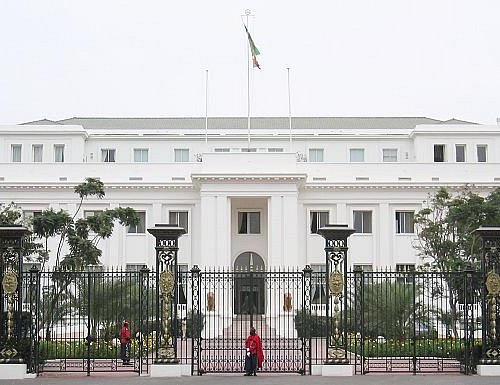
By the end of September 2025, the execution of Senegal’s State budget broadly aligned with the projections set out in the Amended Finance Law (LFR). General budget revenues reached CFAF 3,254 billion against an annual target of CFAF 4,668.9 billion, representing an execution rate of 69.7 percent. Expenditures stood at CFAF 4,313 billion, equivalent to 67.8 percent of approved appropriations. The budget deficit amounted to CFAF 1,059 billion, or 4.88 percent of GDP, compared to an annual target of 7.82 percent.
At the time, these figures suggested a relatively disciplined fiscal stance. However, with hindsight, the apparent stability observed in 2025 concealed deeper structural tensions whose effects continue to shape fiscal policy discussions in 2026.
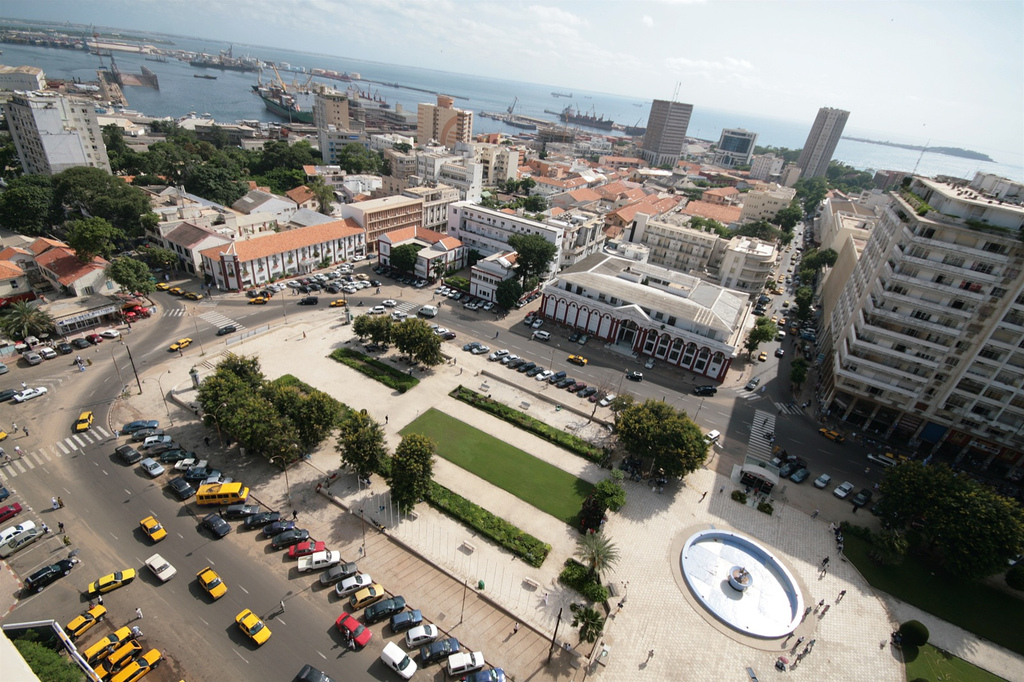
The 2025 fiscal year was not an ordinary budgetary exercise. It unfolded in the context of a major political transition, marked by the inauguration of President Bassirou Diomaye Faye and the formation of a government led by Prime Minister Ousmane Sonko, which placed economic sovereignty, transparency, and institutional reform at the core of its agenda. The publication of the public finance audit earlier in the year significantly heightened public scrutiny and altered the fiscal narrative. The 2025 Amended Finance Law was therefore presented as a “truth budget,” acknowledging fiscal imbalances that had previously been underestimated.
Fiscal discipline, however, could not be assessed independently of social realities. Throughout 2025, Senegal continued to face sustained pressure on the cost of living, high youth unemployment, and pronounced territorial disparities between urban centers and rural areas. The budget thus functioned not only as a macroeconomic management tool but also as an instrument of social stabilization. These pressures have not dissipated and remain central to policy debates in 2026.
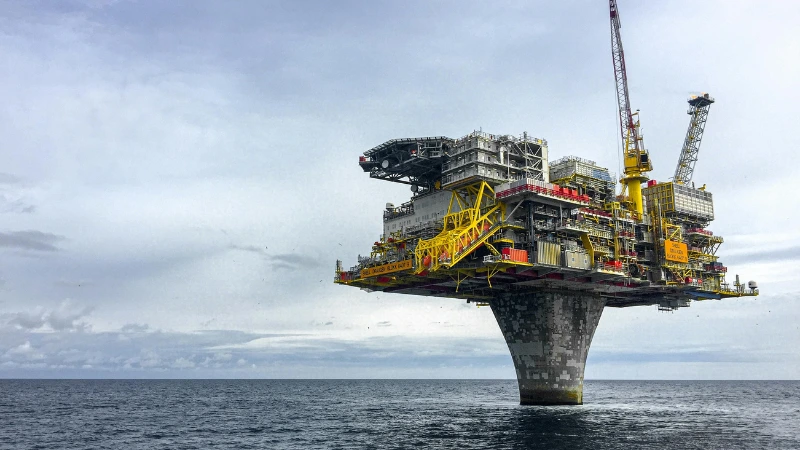
The revised macroeconomic framework lowered projected growth to 8.0 percent from an initial estimate of 8.8 percent, with nominal GDP adjusted to CFAF 21,690.5 billion. While this growth rate remained strong by regional standards, it was largely driven by hydrocarbon production. Major international energy companies played a central role in this extractive expansion. Excluding oil and gas, projected growth reached only 3.8 percent. This distinction is critical. Extractive-led growth, which is capital-intensive and dependent on global commodity markets, generates limited direct employment and concentrates gains among a narrow group of actors. Although it improves headline macroeconomic indicators, it does not automatically translate into structural transformation or improved living standards.
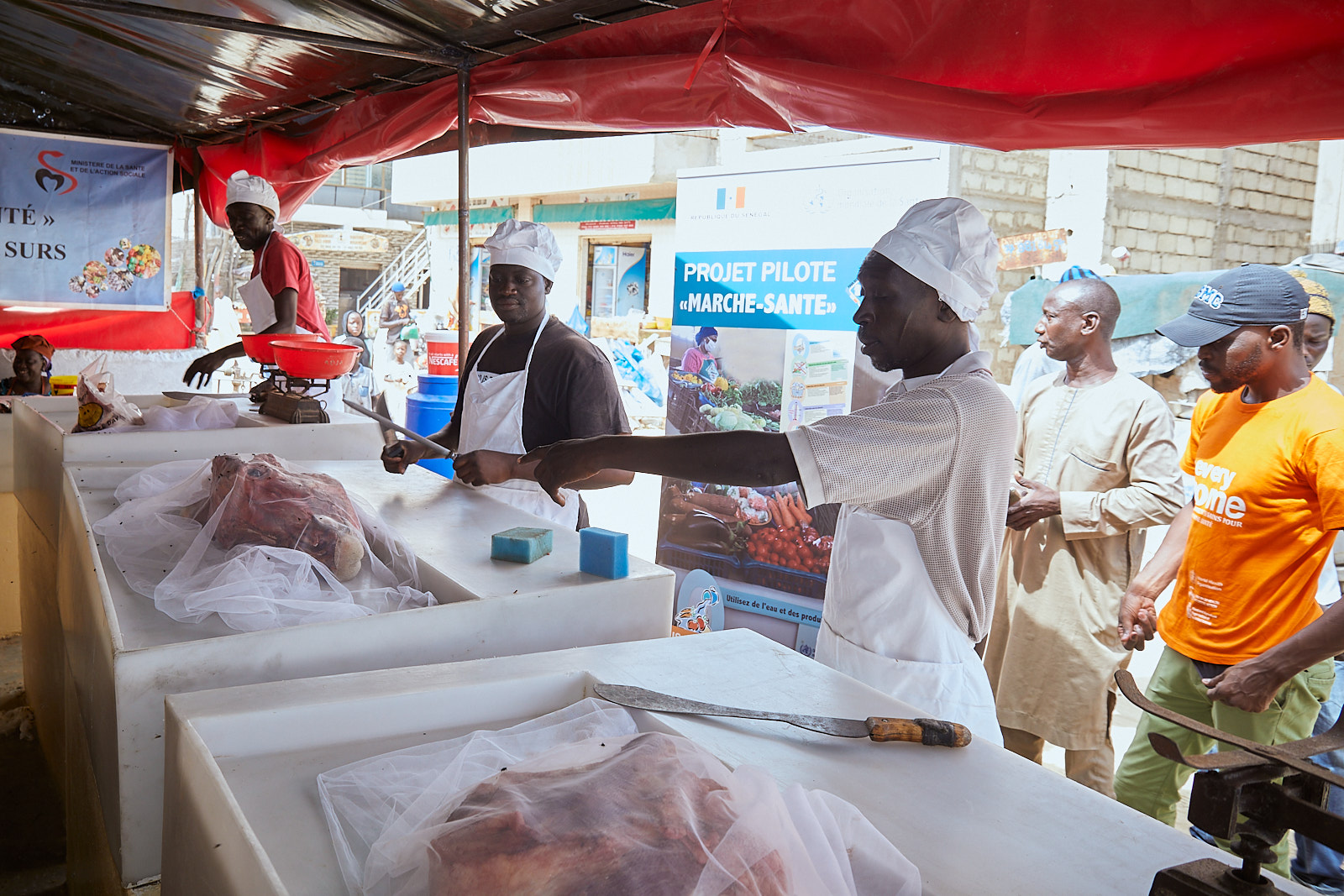
In both urban neighborhoods and rural communities, public concerns in 2025 remained focused on purchasing power, food prices, transportation costs, and access to stable employment. The contrast between strong aggregate growth and a domestic economy under strain became increasingly evident. In 2026, this divergence continues to pose a significant political challenge: ensuring that macroeconomic performance becomes socially visible and broadly shared.
Revenue performance reflected this duality. Tax revenues reached CFAF 2,987.9 billion, representing 72.9 percent of the annual target. Direct taxes, particularly corporate income tax, performed strongly, reflecting the resilience of large formal enterprises and structured sectors. By contrast, domestic VAT excluding petroleum achieved only 58.9 percent of its annual target. As a proxy for household consumption and the activity of small and medium-sized enterprises, weak VAT performance signaled subdued domestic demand and a non-extractive economy struggling to accelerate. These dynamics have continued to weigh on fiscal outcomes into 2026.
Grants amounted to only CFAF 52 billion, or 18.1 percent of annual projections, reinforcing reliance on debt financing. In 2025, Senegal maintained engagement with traditional partners such as the International Monetary Fund and the World Bank, while also seeking to diversify partnerships toward the Middle East and Asia. This strategy aimed to broaden financing options and strengthen bargaining power. However, in a global environment characterized by elevated interest rates and increasingly selective capital markets, dependence on external financing remained a structural vulnerability that continues to influence fiscal choices in 2026.
On the expenditure side, fiscal rigidity was evident. Ordinary expenditures reached CFAF 3,220.8 billion by end-September. The wage bill stood at CFAF 1,082.8 billion, highlighting the State’s role as a major employer in an economy where public employment absorbs a significant share of skilled labor. Current transfers amounted to CFAF 1,169.4 billion, while debt service reached CFAF 705.7 billion over the first nine months of the year.
The rising weight of debt service was structurally significant. As interest payments increased, fiscal space narrowed, reducing the State’s capacity to allocate resources toward transformative investments. This constraint became particularly salient given the high public expectations that accompanied the new administration’s emphasis on economic sovereignty and social justice. In 2026, debt servicing pressures remain one of the key factors limiting budgetary flexibility.
Energy subsidies increased sharply in 2025, rising from CFAF 271.7 billion to CFAF 411.6 billion. This reflected a deliberate political choice to preserve social stability amid rising price pressures. By cushioning households and businesses from energy price shocks, the State mitigated spillover effects on transportation and food prices. However, this approach entailed a high fiscal cost and raised concerns about distributive efficiency. In the absence of effective targeting mechanisms, generalized subsidies benefited higher-income households alongside vulnerable groups, reducing their redistributive impact and delaying structural reform in the energy sector.
Capital expenditures reached CFAF 1,092.2 billion, representing 56.4 percent of annual projections. While this execution level was broadly consistent with the fiscal calendar, direct State investment remained limited, with only CFAF 40.8 billion executed. In an economy characterized by structural youth unemployment and a large informal sector, public investment represents a key lever for transformation. Delays in execution therefore postponed the expected multiplier effects on employment, productivity, and economic diversification—effects that remain highly anticipated in 2026.
By the end of September 2025, the budget deficit remained broadly aligned with the annual trajectory. However, its financing relied heavily on treasury mobilization through financial markets. While this strategy ensured short-term fiscal continuity, it increased exposure to interest rate risks and refinancing pressures, vulnerabilities that have become more pronounced in 2026.
The central issue raised by the 2025 budget execution is therefore not short-term compliance with fiscal aggregates, but medium-term sustainability and coherence between budgetary discipline, economic sovereignty, and structural transformation. Fiscal consolidation cannot rely solely on technical adjustments. It requires deeper reforms in expenditure composition, rationalization of tax exemptions, strengthened domestic revenue mobilization, and improved governance of public enterprises.
In retrospect, budget execution at end-September 2025 reflected a State maintaining balance under constraint. Yet this stability proved fragile. Dependence on hydrocarbons, rising debt service obligations, rigid current expenditures, and sustained social pressures formed an interconnected set of challenges whose implications continue to shape Senegal’s fiscal and economic trajectory in 2026.
Amineta Baye Laye Diop
Program & Research officer at BudgIT Sénégal