

Senegal’s decision to dissolve 19 quasi-public entities signals one of the most aggressive public sector rationalization efforts recently. While the government projects savings of $96 million over the next three years, the reform raises critical questions about implementation, social stability, and long-term efficiency gains.
In October 2024, the IMF froze a $1.8 billion credit facility for Senegal after discovering over $7 billion in hidden, off-budget debt from 2019-2024 , raising the country’s total debt to over 130% of GDP. The government, in a bid to reduce its recurrent expenditure, is shutting down 19 agencies, a decision that is expected to save about $96 million over three years.
The Prime Minister had made the announcement during his quarterly appearance before the National Assembly. This decision is considered “precautionary and corrective,” aimed at “strengthening transparency in the management and delivery of public service.” The goal is to “rationalize the quasi-public sector, reduce public spending and cut the central government expenditure.” Soon after this announcement, an inclusive working group was set up to engage with the different stakeholders to reflect on the rationalisation efforts and come up with recommendations.
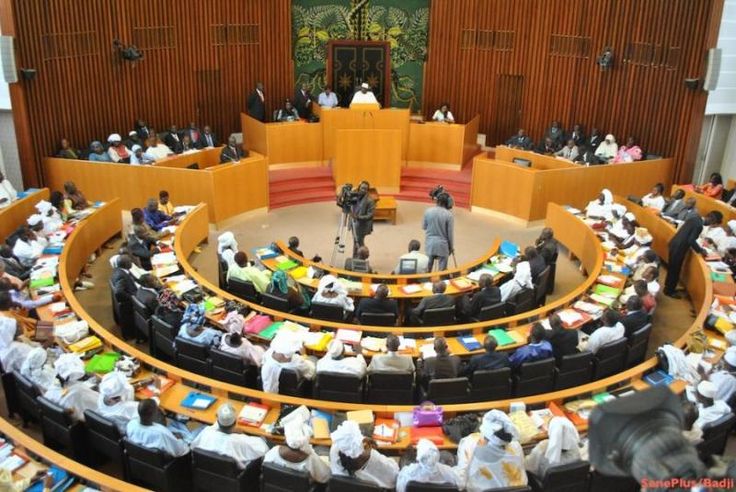 The Government Is Considering Implementing Austerity Measures
These entities combined had a budget allocation of close to $49 million in 2025, an estimated annual payroll of $16 million with a total workforce of 982 employees, and a total debt of close to $4.6 million as of December 31, 2024. As a result of the consultative work carried out by the Working Group, 10 entities have been repositioned to better redefine their operational methods and missions.”
A Reform Amid Rising Social Tensions
The timing of this reform is delicate, as it comes amid mounting labor tensions, with teachers and students already mobilizing nationwide. Introducing workforce reductions in this climate may exacerbate public opposition, particularly if the government fails to communicate a credible transition plan. G7, one of the largest Teachers’ Union, has been waging a series of strikes for nearly a month now with significant potential financial impact. Speaking before members of parliament on February 21, Prime Minister Ousmane Sonko suggested that the government was unable to meet the teachers’ list of demands. At the same time, the Prime Minister also noted that the student financial allowances constitute a heavy burden on the national budget. He was thus responding to students who had been on strike since the end of last year. Clashes between students and riot police sadly led to the death of a medical student on February 9. This had likely prompted the government to announce that it had developed a plan to “support unions, mainly in the redeployment of staff and in labour dispute resolution.”
Without a credible transition strategy, the reform could shift fiscal pressures into social instability, undermining both public trust and policy effectiveness.

Key Lessons from the Past Regimes
This regime’s current approach stems from previous administrations’ efforts to streamline public agencies, often with mixed results. In 2012, the administration of former President Macky Sall reduced the number of agencies to improve efficiency. They managed to consolidate the ANEJ, the FNPJ, the AJEB, and the ANAMA into a single agency called the National Agency for the Promotion of Youth Employment (ANPEJ). However, the reforms were temporary, as political and administrative pressures later led to the creation of new agencies.
Earlier still, the proliferation of agencies under President Abdoulaye Wade (2000–2012) contributed to the complexity the current government is now attempting to address. Neighboring countries, such as Guinea, even replicated these models in some cases.
The most important lesson to be learned from these experiences is that institutional rationalization runs the risk of not being sustainable unless it is maintained over time and shielded from political growth.
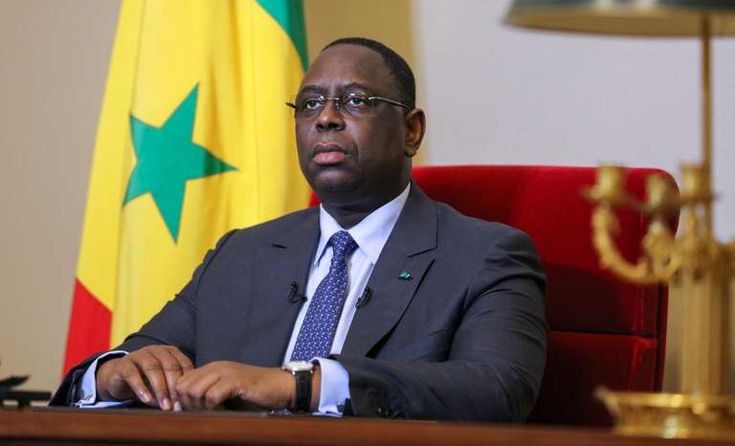
What Should the Government Do Next?
A difficult economic situation has driven this restructuring of government agencies. For many months now, the government has been engaged in talks with the International Monetary Fund as to whether or not to restructure the public debt. In all his statements on the debt issue, Prime Minister Ousmane Sonko has expressed his fierce opposition to debt restructuring. In a speech while visiting the interior part of the country, PM Sonko stated that “Senegal has only one economic problem today: the debt incurred and hidden by the previous regime.” He explained that this so-called “hidden” debt, estimated at nearly $7 billion, was not approved by the National Assembly, resulting in it becoming one of the most pressing issues that the country’s facing today.”
To effectively maximize the benefit of this reform, the government must prioritize transparency by publishing detailed criteria for agency dissolution, timelines, and expected savings, allowing citizens and stakeholders to track progress. The government must safeguard the continuity of functions previously carried out by the dissolved entities by reassigning their roles and responsibilities to avoid gaps in public service delivery. We also recommend that they develop a transition plan, such as clear provisions for the redeployment, compensation and retention of the 1,000 workers, to provide social stability for them. Lastly, to avoid the recreation of these redundant agencies and roles, the government must prioritize strong and legal administrative measures to institutionalize these reform gains.
Great Reforms that Requires Fiscal Discipline
Senegal’s decision to streamline its quasi-public sector is a necessary response to fiscal pressures and long-standing institutional inefficiencies. The projected savings of 55 billion CFA francs represent a meaningful opportunity to improve public financial management and redirect resources toward national priorities.
However, the success of this reform will ultimately depend not on the announcement itself but on its execution. Finding the right balance between keeping spending in check and maintaining social stability, while making sure that any improvements in efficiency are genuine and long-lasting, will decide if this initiative leads to real changes in how the public sector is governed or if it ends up being just another temporary reform.
For citizens, civil society, and policymakers alike, the coming months will be critical in assessing whether this bold move delivers on its promise.