
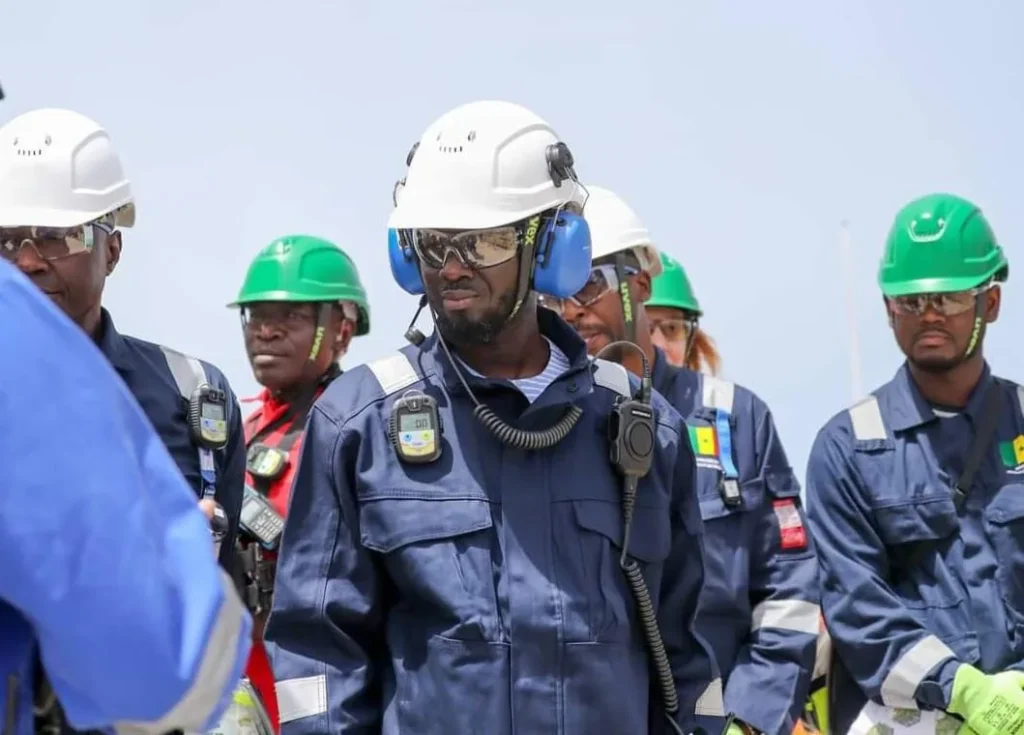
When Senegal discovered oil and gas between 2014 and 2016, many citizens expected a new era of economic prosperity. Instead, the country is now confronting a difficult question: why are the returns from these resources still so limited?
Prime Minister Ousmane Sonko has openly criticized the oil and gas agreements signed under the previous administration, arguing that Senegal is earning far less than expected from its natural resources. He argued that the previous administration sold Senegal’s hydrocarbons at a discount, locking the country into contracts that deliver far less than the 2014–2016 discovery hype promised. The outgoing government left behind a debt of 7 trillion CFA francs ($12.5 billion). Against that backdrop, oil revenues of just 76 billion CFA francs ($136 million) are way below the promised prosperity that accompanied the discovery of oil and gas.

Why the Government Wants Renegotiation
A committee has been established within the Prime Minister’s office to review oil, gas, and mining contracts. On March 12th, Sonko named the problem plainly: shortcomings in existing agreements have caused “significant financial losses” to the state.
However, this step is not risk-free. Former President Macky Sall warned in 2024 that renegotiating signed contracts “would be a disastrous turning point for Senegal.” Tax law expert Oumar Bâ echoed that concern, cautioning that international arbitration could prove enormously costly if oil companies push back. The confidence of financial markets is also at risk.
The government appears to know this. “We will give ourselves the means to respond. We have the resources, and we are working methodically,” Sonko said, using language designed to reassure, not to rush.
The first concrete step came on April 14th, when Sonko convened former directors of the Chemical Industries of Senegal (ICS), a company bleeding the state 1.075 billion CFA francs ($1.9 million) annually, to draw on their expertise in restoring the firm’s viability.
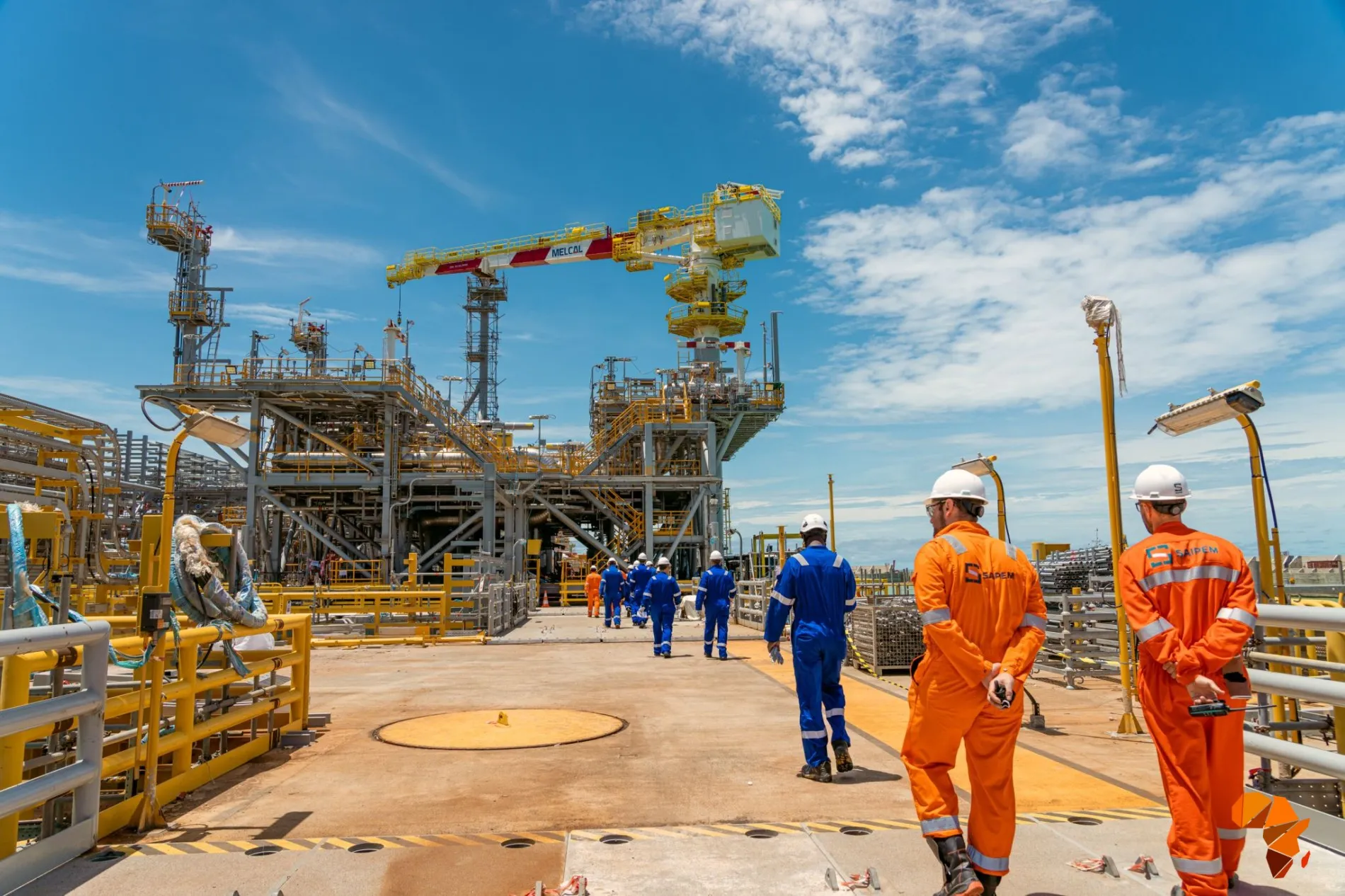
What Does It Mean for Citizens?
With American firm Kosmos Energy withdrawing from the Yaakar Teranga gas project, Senelec, the national electricity company, is now fully state-owned and positioned to play a central role in offshore gas exploitation in the Thiès region. Whether that translates into tangible benefits for ordinary Senegalese remains the critical unanswered question. Civil society organisations, including BudgIT Senegal, are demanding answers. They are calling for transparent, inclusive, and accountable management of hydrocarbon revenues, consistent with OECD Principles 4 and 5, to ensure that communities see real socioeconomic and environmental returns.
Renegotiating these contracts is politically logical for a government that ran on a sovereignty platform. Whether it delivers economic justice for Senegalese citizens is the harder, more important test.