
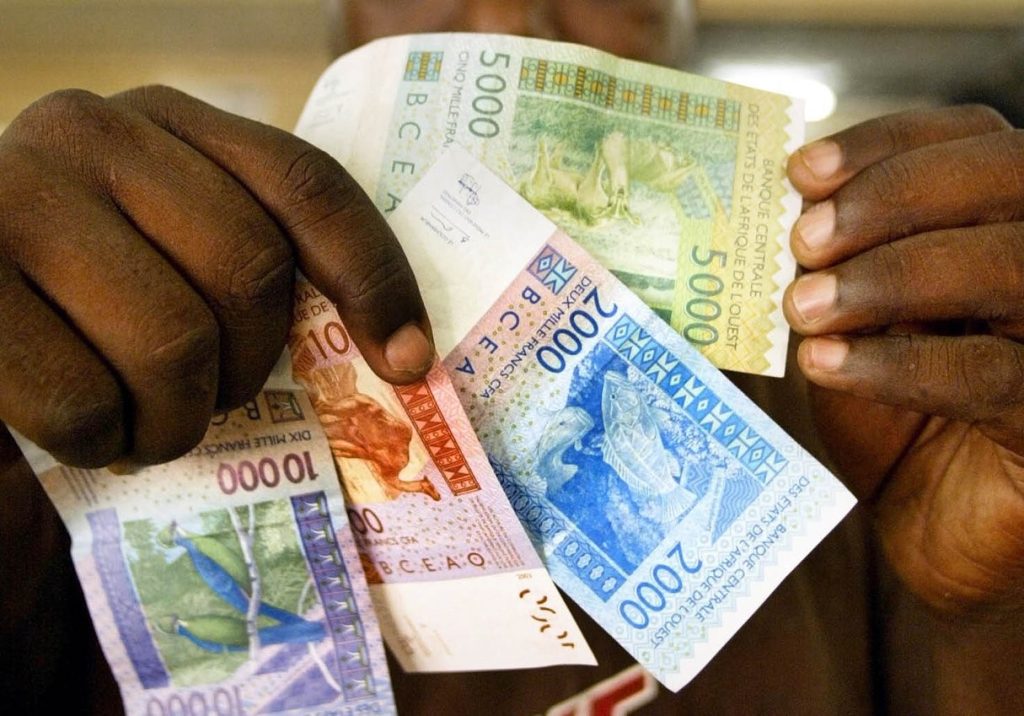
Senegal began the 2026 fiscal year with stronger revenue collection, raising CFA 1,149.7 billion in the first quarter, equivalent to 19.4% of the government’s annual revenue target and an 11.9% increase compared to the same period in 2025. While this figure is an encouraging start, the latest Budget Execution Report shows that the country’s fiscal outlook remains mixed. Beneath the stronger headline figures are persistent weaknesses in tax collection, customs administration, and implementation of key government revenue reforms.
Social Tax Revenue Signals Progress
Tax revenue reached CFA 1,095.7 billion by the end of March, representing 20.3% of the annual target and a 14.1% increase over the first quarter of 2025. Much of this improvement came from corporate income tax collections, particularly from companies operating in Senegal’s oil sector.
Corporate income tax exceeded quarterly expectations, largely due to advance payments made by extractive industry operators. While the increase helped strengthen overall revenue performance, it also highlights an important concern: much of the government’s improved fiscal position continues to depend on a single sector.
A more resilient tax system should rely on broad-based economic activity across businesses, workers, and industries rather than on oil revenues. Diversifying revenue sources will help protect public finances from future commodity price fluctuations and economic shocks.
Customs and Tax Reform Still Face Significant Challenges
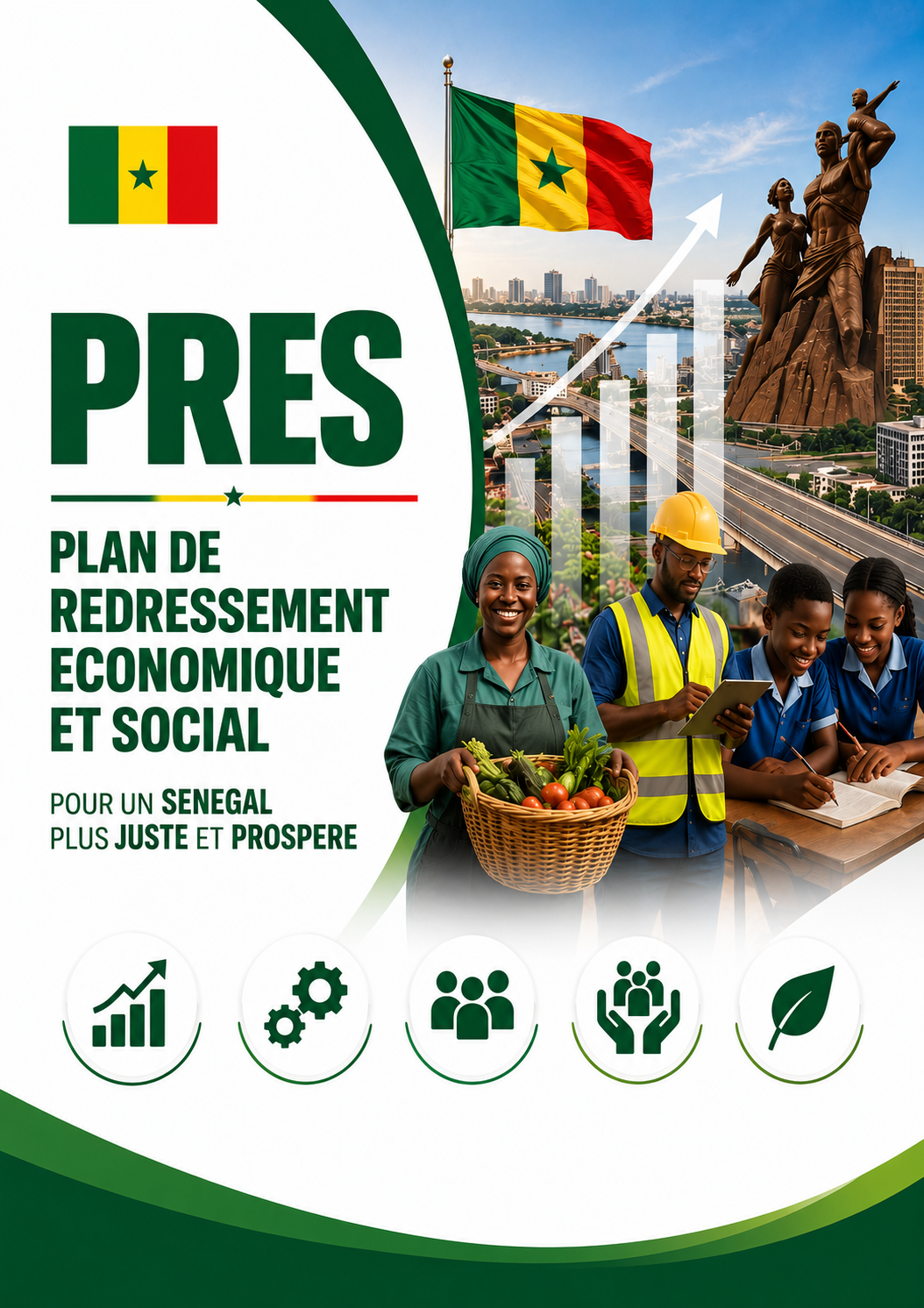
Despite the positive revenue performance, several important warning signs remain. Customs revenue fell short of expectations, largely because of declining imports and delays in implementing measures under the government’s Economic and Social Recovery Plan (PRES). Planned reforms targeting vehicle imports and mobile phone registration generated significantly less revenue than anticipated due to implementation challenges.
Overall, the PRES tax measures generated only 57.2% of their quarterly revenue target, leaving a substantial gap between projected and actual collections. This shortfall raises important questions about the pace of policy implementation. New tax measures can only strengthen public finances if the administrative systems needed to enforce them are fully operational.
A Changing Global Economy Adds New Risks
Developments beyond its borders also influence Senegal’s fiscal outlook. Global economic uncertainty, rising geopolitical tensions, and volatility in energy markets continue to affect growth prospects across many developing economies. While Senegal’s hydrocarbon sector remains an important source of revenue, relying too heavily on extractive industries exposes public finances to external shocks that the government cannot fully control.
Recent discussions between Senegalese authorities and the International Monetary Fund focused on strengthening economic resilience, improving governance, protecting vulnerable populations, and ensuring sustainable public finances. These priorities will become increasingly important if global economic conditions deteriorate further.
 What Citizens and Parliament Should Watch
The first-quarter results provide encouraging signs, but sustained progress will depend on developments over the remainder of the fiscal year.
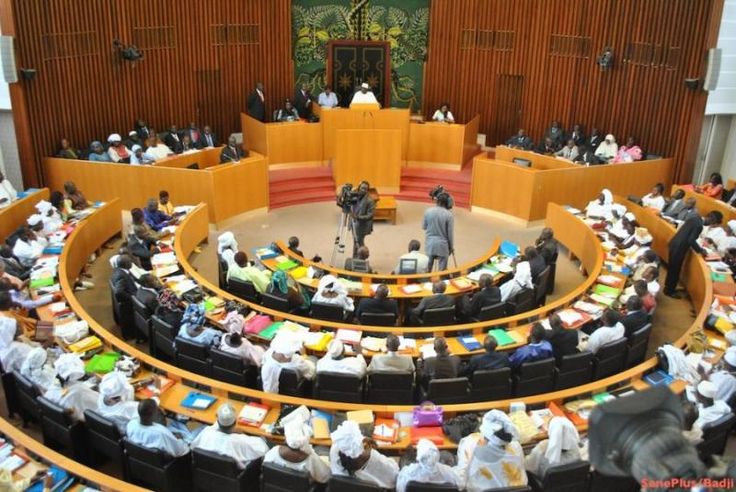
Citizens, civil society organisations, and Parliament should closely monitor:
- Whether the government sustains revenue growth without increasing the tax burden on ordinary citizens.
- Whether delayed tax reforms under the PRES are effectively implemented.
- Whether increased revenues lead to better delivery of infrastructure and essential public services.
- Whether key budget documents are submitted and debated on time to strengthen transparency and legislative oversight.
- Whether public spending continues to align with national development priorities.
The first-quarter Budget Execution Report offers cautious optimism. Revenue collection has improved, demonstrating that recent fiscal reforms are beginning to produce results. At the same time, continued dependence on oil-related taxes, weaker customs performance, and implementation gaps show that significant work remains.
For citizens, success should not be measured only by how much revenue the government collects. It should be measured by whether public resources are managed transparently, spent efficiently, and translated into tangible improvements in people’s daily lives. As Senegal continues implementing its 2026 budget, maintaining strong public oversight will be just as important as maintaining strong revenue performance.