
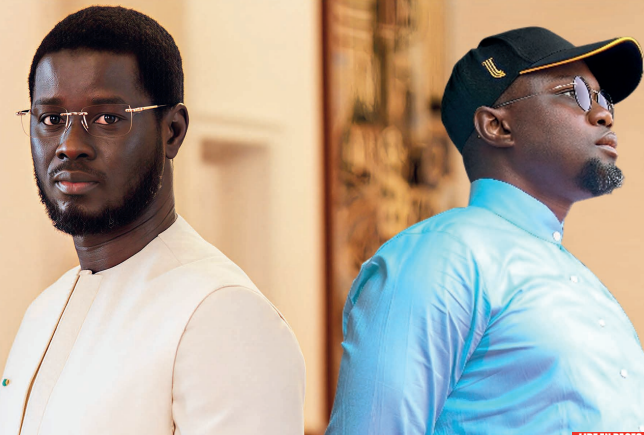
On Friday, May 22, 2026, the Senegalese President Bassirou Diomaye Faye sacked Prime Minister Ousmane Sonko and dissolved the national government, ending a month-long feud between the two men that had paralysed decision-making at the highest levels of the state.
The rupture is significant not just as a political drama, but because it arrives at a moment when Senegal can least afford institutional uncertainty. Public debt has reached 132% of GDP, according to the International Monetary Fund. The budget deficit stands at 6%, and the cost of living remains stubbornly high despite government interventions on the prices of rice, oil, fuel, and electricity. Ordinary Senegalese are feeling these pressures daily, and the question now is whether this political crisis will deepen them. Sonko’s dismissal was triggered by a parliamentary session on Friday, May 22, during which he openly criticised President Faye’s handling of the debt crisis, a rare and public break from a man who had been his closest political ally.
A Prime Minister at the Heart of Key Issues.
Over the past few months, the former prime minister had been leading negotiations in sectors considered strategic to Senegal’s future:infrastructure, energy, and water. His approach was grounded in economic sovereignty, a governing philosophy that prioritises domestic control over national resources and minimises dependence on multilateral lenders and foreign contractors. That approach has already yielded concrete results: Senegal recently secured 100% control of the Yakaar-Teranga gas block, a milestone in the country’s effort to own its energy future. Whether the incoming prime minister will share this orientation or quietly reverse it is one of the most important open questions of this transition.
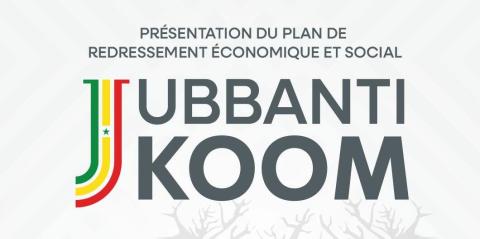
The public is also raising questions about the future of the Economic and Social Recovery Plan (PRES) that the government launched on August 1, 2025. With a total budget of 5,667 billion CFA francs for the period 2025-2028 (90% of which is financed by domestic resources) is structured around 44 priority projects to mobilize 633 billion CFA francs funds in investment. These projects span energy access, rural infrastructure, and social services. A prolonged political crisis could delay their implementation at precisely the moment when citizens are counting on them to translate policy into relief.
A New Partnership With The IMF?
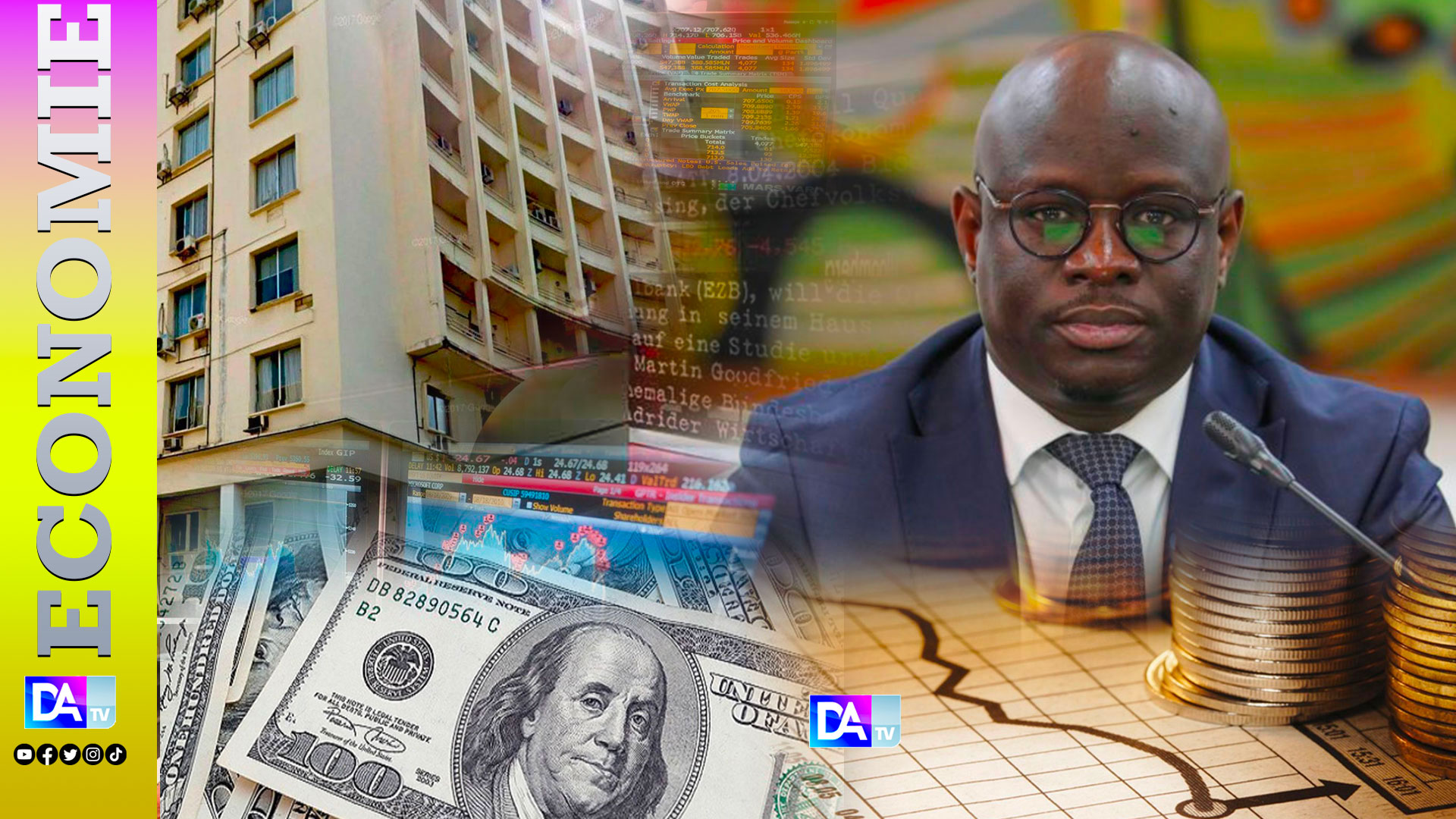
Ousmane Sonko is vocal about his scepticism of the IMF. Even in government, he consistently pushed back against the Bretton Woods institution’s role in shaping Senegal’s fiscal trajectory, arguing for a path built on financial independence rather than external conditionality. His position stood in quiet but visible contrast to that of President Faye and Finance Minister Cheikh Diba, who had been advancing discussions with the Fund throughout this period.These discussions may continue without Sonko. Before the National Assembly, Minister Diba confirmed that talks were progressing favourably and that new working sessions were scheduled from the week of June 8, 2026. The nature of any eventual agreement—its conditions, debt restructuring terms, and what it requires of the Senegalese government in exchange for budget support- will matter enormously for public finances and for citizens. Civil society and parliament should scrutinize those terms closely as they emerge.
Could this Spell institutional Deadlock?
There is a huge political risk running through the parliament. Pastef les Patriotes, Sonko’s party, holds a parliamentary majority. This position could give him significant political leverage in case of a confrontation with the side of President Bassirou Diomaye Faye. The main risk would be that this parliamentary majority might resort to institutional mechanisms such as votes of no confidence to weaken or topple the government. Such a scenario would create a period of political paralysis at a time when the country urgently needs coordinated economic governance. What seems increasingly likely is that Senegal is entering a period of contested politics between two leaders who once shared a transformative vision, but who are now separated by the pressures and realities of governing. That contest will play out in parliament, in the streets, and in the next round of budget negotiations.
What Citizens and Civil Society Should Watch
- Regardless of how the political dynamics between Faye and Sonko unfold, several concrete questions demand public scrutiny in the weeks ahead:
- Will the PRES priority projects remain funded and on schedule, or will the transition create implementation gaps?
- What are the terms of any IMF agreement, and what fiscal commitments will the government make in exchange?
- Who is appointed as the new prime minister, and what does their economic orientation signal about the direction of policy?
- How will parliament exercise its oversight role, as a check on executive power or as a vehicle for political confrontation?
Senegal’s democratic institutions and public finances are being tested simultaneously. The responses of citizens, civil society organizations, and parliament in the coming weeks will determine whether this moment of political rupture becomes a crisis or a turning point toward greater accountability.