
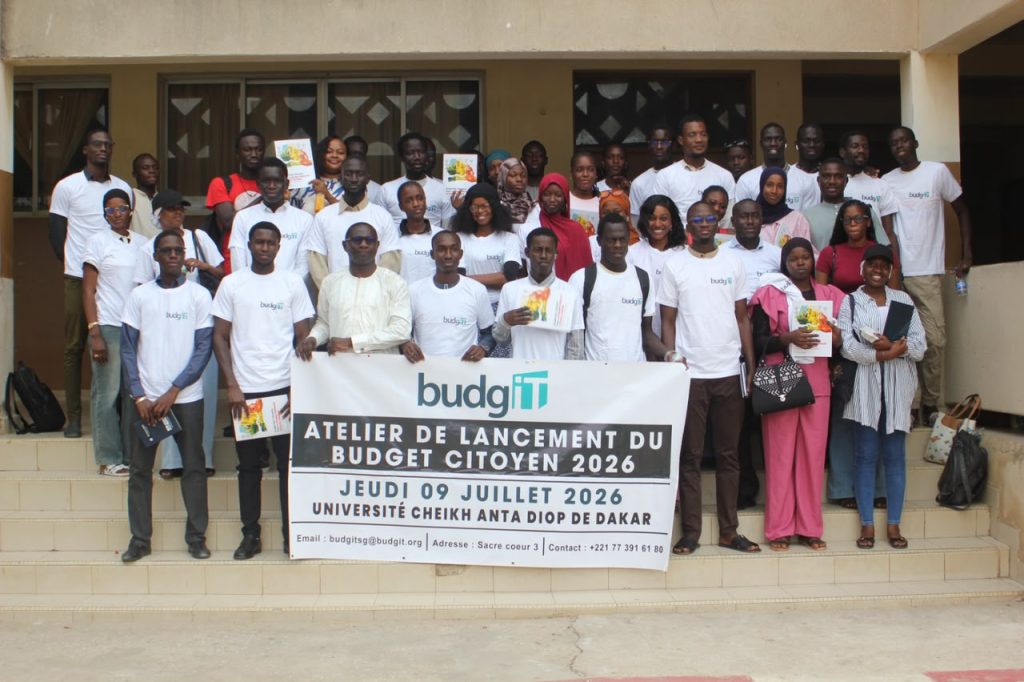
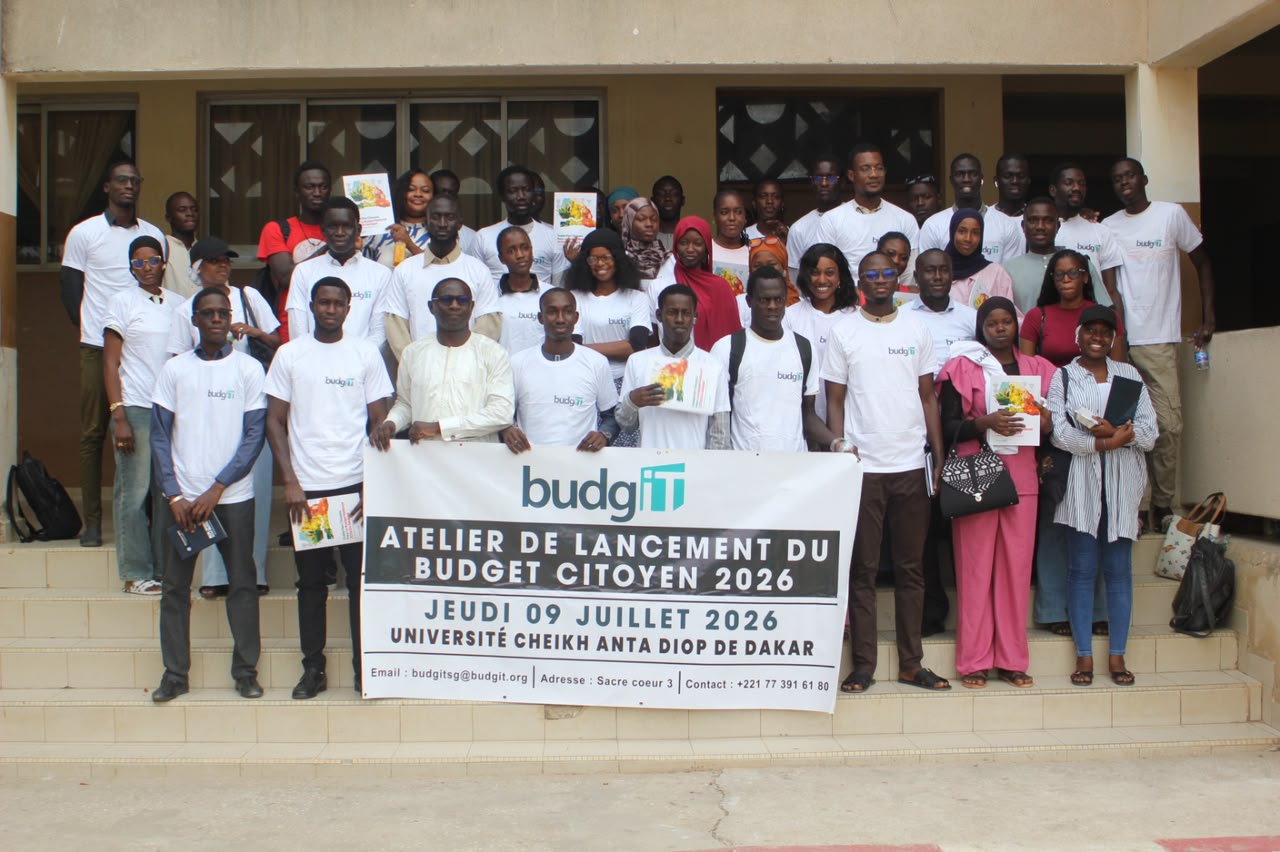
On July 9, 2026 , BudgIT Senegal gathered 40 students at Cheikh Anta Diop University to learn about government priorities in Senegal’s 2026 national budget.
The goal is to have an informed citizenry that not only understands government spending but also examines how citizens can use budget information to promote transparency and accountability. Yet for many young people, these decisions remain hidden behind technical language and lengthy government documents.
To help bridge this gap, BudgIT Senegal officially launched and unboxed its 2026 Citizen Budget at the Faculty of Economics and Management of Cheikh Anta Diop University (UCAD). The event brought together more than 42 members of the Coordination des Étudiants en Économie du Sénégal (CEES) for an open discussion on public finance, debt, and citizen participation.
The launch was more than an opportunity to present a publication. It placed the country’s budget in the hands of those who may one day analyse it, influence it, and shape the policies behind it. Throughout the session, students engaged not only as learners, but also as future economists, policymakers, researchers, and civic leaders whose understanding of public finance will influence tomorrow’s governance.
Unboxing the 2026 Citizen Budget
The session began with the official presentation of BudgIT Senegal’s 2026 Citizen Budget, a simplified guide that helps citizens understand how public money is raised, allocated, and spent.
Participants left with a clearer understanding of how government revenues, expenditure priorities, and borrowing decisions shape the delivery of essential public services.
These allocations determine whether schools receive learning materials, hospitals are equipped, roads are maintained, and agricultural programmes reach farming communities.
As students became familiar with the structure of the budget, the discussion naturally shifted to one of the questions shaping Senegal’s public finances today: the country’s growing debt.
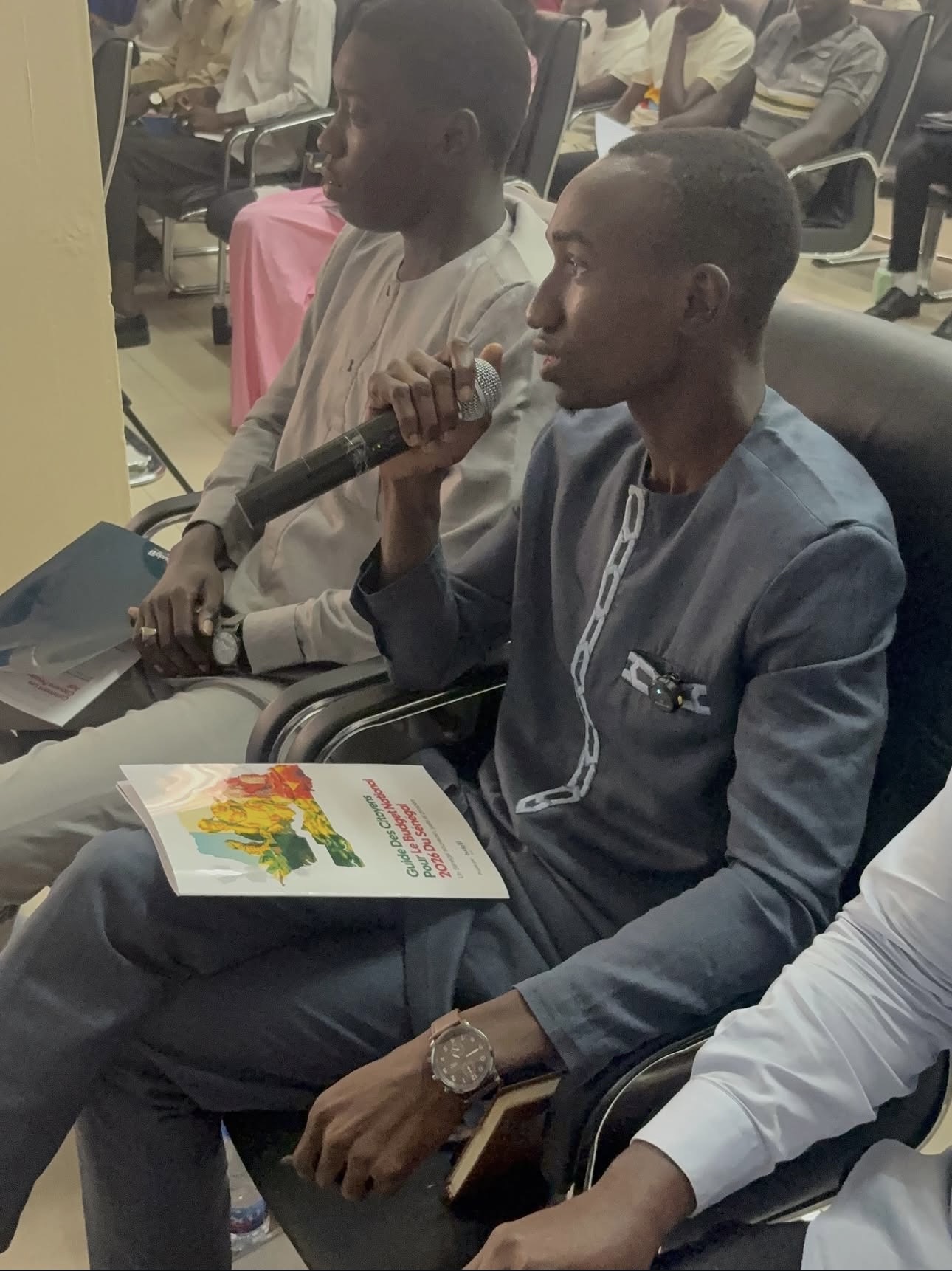
Examining Senegal’s Debt Landscape
The second presentation, facilitated by a representative from Budgit Senegal’s partner Article 19, focused on understanding Senegal’s current debt situation and what it means for the country’s future.
Using the 2026 Citizen Budget and Economic Trendings as references, students discussed how borrowing supports government spending while also creating long-term financial commitments. The discussion examined the importance of balancing investment needs with fiscal sustainability and highlighted why transparency in public borrowing remains essential for informed public debate.
Students also reflected on how debt servicing affects the government’s ability to finance essential sectors over time. According to the 2026 Citizen Budget, 5,497.9 billion FCFA is allocated to public debt servicing, making debt management an important issue for every citizen not only economists and policymakers.
Understanding the budget and the country’s fiscal realities laid the foundation for the next conversation: how citizens can move from awareness to action.
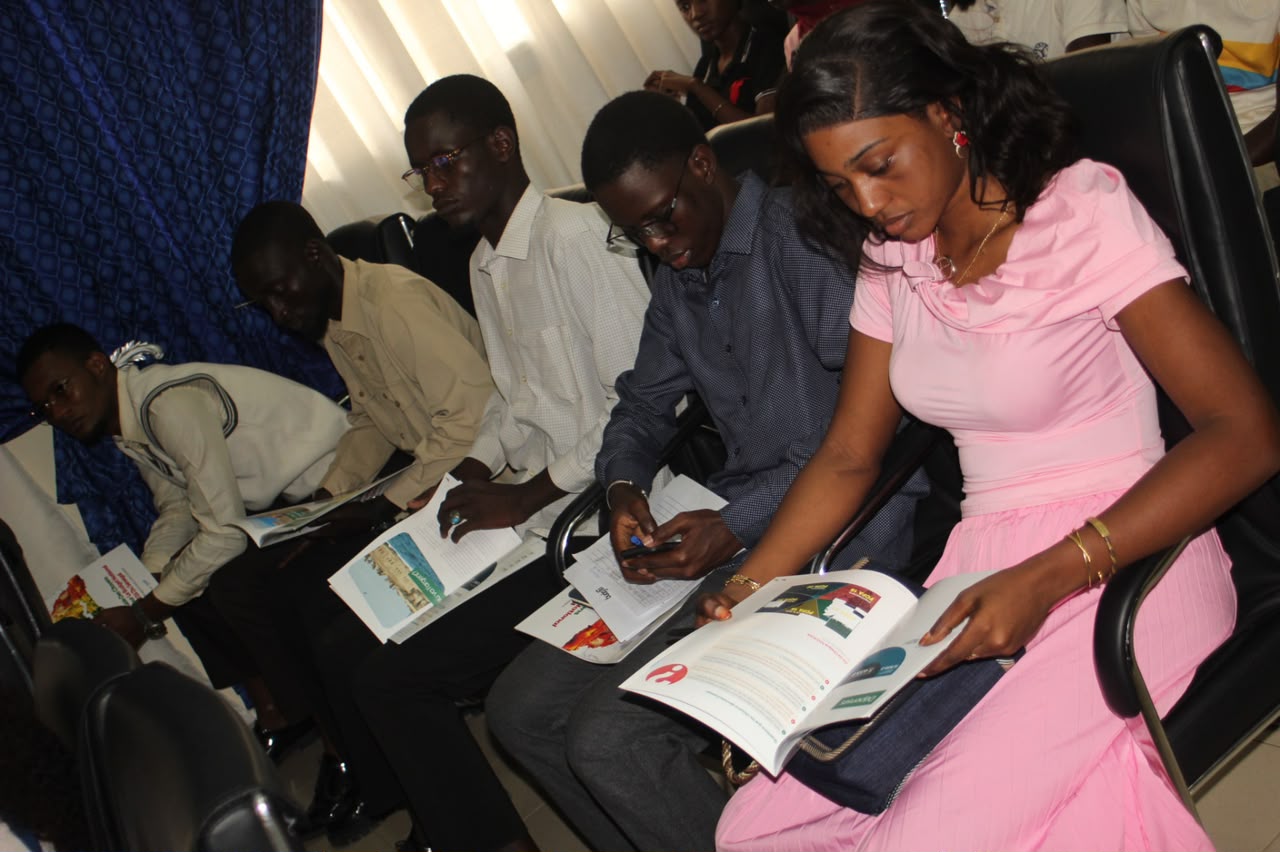
From Budget Literacy to Citizen Participation
Building on discussions about the budget and public debt, BudgIT Senegal introduced participants to various ways citizens can contribute to stronger public accountability.
The session explored how participation goes beyond voting or following current affairs. Citizens can read public budget documents, ask informed questions, monitor projects in their communities, and share evidence that contributes to better decision-making.
Students were also introduced to Tracka, BudgIT’s citizen monitoring framework, which empowers communities to follow the implementation of public projects using verified and evidence-based reporting. Rather than simply pointing out challenges, Tracka encourages constructive engagement between citizens and public institutions to improve service delivery.
The discussion also highlighted BudgIT Senegal’s broader ecosystem of civic technology and citizen engagement initiatives, showing how simplified budget publications, research, digital tools, and community programmes work together to promote a more transparent and inclusive system of economic governance.
A Dialogue Shaped by Future Engaged Community Leaders
The presentations were followed by an interactive discussion that reflected both participants’ curiosity and analytical skills.
Drawing on their academic background in economics, students examined sectoral priorities, questioned fiscal trade-offs, and shared perspectives on how public resources can better respond to citizens’ needs. Their contributions enriched the discussion and demonstrated the important role universities can play in strengthening public dialogue on economic governance.
Participants also called for stronger communication between public institutions and students, emphasizing that greater transparency should be accompanied by more opportunities for young people to engage with public finance and contribute to national conversations on development.
Their reflections reminded everyone in the room that the quality of tomorrow’s public policies will depend not only on today’s decisions, but also on how well today’s students are prepared to understand and shape them
The event concluded with a shared commitment to continue the conversation beyond the university.
Several participants expressed their interest in joining the Tracka Community Champions network, where volunteers work with BudgIT Senegal to monitor public projects and promote accountability in their communities. Others are committed to joining the Youth Budget Club, an initiative that offers young people opportunities to deepen their understanding of public finance while developing leadership and advocacy skills.
These commitments reflected the launch’s true objective. The Citizen Budget is not only meant to be read; it is meant to encourage informed participation. By connecting students with practical opportunities to engage, BudgIT Senegal is helping build a generation of young citizens who understand that transparency becomes meaningful when people use information to ask questions, monitor implementation, and contribute to better governance.
The UCAD event was an important step toward making public finance more accessible to young people. By bringing together future economists and civic leaders, the event created a space where technical knowledge and active citizenship met. BudgIT Senegal is investing in budget literacy among young people today to build a generation of citizens equipped not only to understand public finance but also to demand accountability and contribute to better governance throughout their communities.